Edit Template

Events

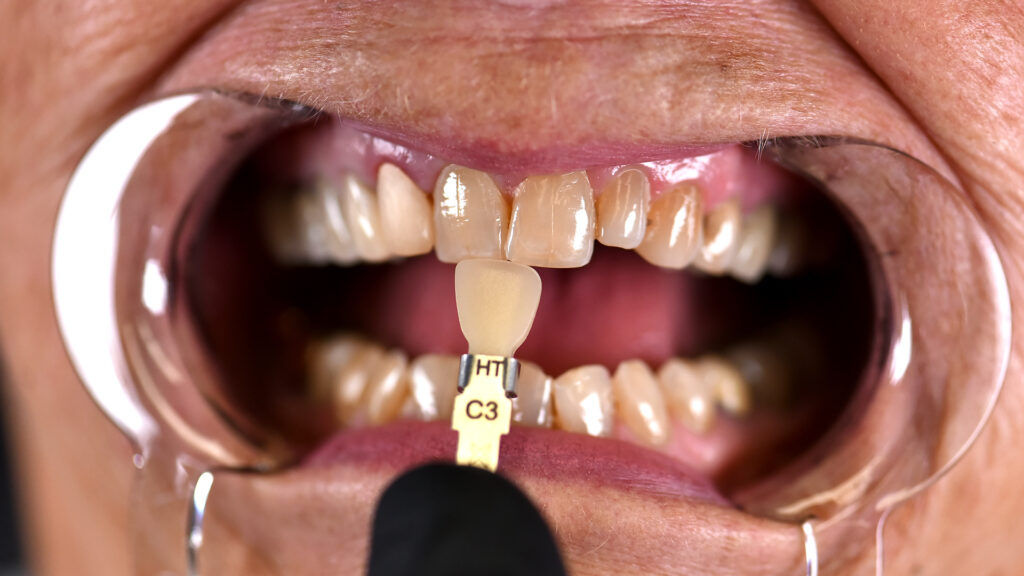
Custom shade of anterior teeth

Why Tooth Shade Is More Than a Shade Guide

Matching a natural tooth is rarely as simple as finding the closest shade tab. Tooth color is influenced by much more than hue alone. Value, chroma, translucency, surface texture, hydration, lighting, surrounding teeth, and the way our eyes perceive color all play a role in how a tooth—and ultimately a restoration—looks. That is why achieving a natural-looking restoration requires more than simply selecting a shade. It requires understanding the environment in which that shade will ultimately be seen and the material it will be made of. The tooth doesn’t always look the same One of the biggest variables in shade matching is hydration. When a tooth becomes dehydrated, it appears lighter and can show a measurable change in color. This can happen surprisingly quickly during a dental appointment. Research has found that even short periods of dehydration can produce clinically perceptible color changes. This is one reason shade selection is generally recommended early in the appointment, before the teeth have been exposed to prolonged isolation or drying. In other words, the shade we see when a tooth is naturally hydrated may not be the shade we see later in the appointment. Lighting changes what we see Color doesn’t exist independently of light. The same tooth can appear different under natural daylight, operatory lighting, or other artificial light sources. Research on dental shade matching has demonstrated that lighting conditions can influence color perception and shade selection. The surrounding environment matters, too. Lip color, clothing, operatory colors, and even the background behind the tooth can influence how our eyes perceive its color. This is why controlled, neutral conditions are recommended when selecting a shade. Natural teeth aren’t one-dimensional A natural tooth is not simply “A1” or “B2.” It has variations in value, chroma, translucency, surface texture, and characterization. Enamel and dentin interact with light differently, and the incisal, middle, and cervical portions of a tooth can have noticeably different optical characteristics. Two teeth can share a general shade designation while still looking quite different. This is also why custom characterization can involve much more than adding a little color. Surface texture, translucency, staining, and the way light interacts with the restoration all contribute to the final appearance. Our eyes are part of the equation Visual shade matching is inherently subjective. Even when using standardized shade guides, different observers can perceive and select color differently. A systematic review of dental shade selection found that visual shade matching is influenced by multiple factors related to the observer, the lighting, and the object being evaluated. Digital and instrumental shade systems can improve consistency and repeatability, but they are not a substitute for clinical judgment. Research continues to show that shade determination is a complex process, with different measurement methods having their own strengths and limitations. So, can a restoration be guaranteed to match 100%? This is where shade matching becomes especially important for communication between the dental office and the laboratory. A shade or custom characterization can be carefully selected, documented, photographed, measured, and reproduced. All of those steps can improve predictability. But there are variables that cannot be completely controlled outside the patient’s mouth. The restoration will ultimately be viewed: That means a restoration can be meticulously created and still appear different once it is placed in the mouth. The final clinical environment is part of the shade match. A better way to think about shade Rather than thinking of shade as a single number, it may be more useful to think of it as a combination of information. A good shade record can include: Shade + photographs + hydration + lighting + surrounding teeth + characterization details The more information the dental team can provide, the more completely the laboratory can understand the desired result. At GloDental, we believe the goal isn’t simply to reproduce a shade tab. The goal is to create a restoration that looks natural within the patient’s individual smile. And sometimes, the most important part of achieving that result is recognizing what cannot be perfectly predicted until the restoration is actually in the mouth. References

Why Tooth Shade Is More Than a Shade Guide Read More »
AI prompt that says: create a logo for my dental practice

How to Choose the Right Dental Logo

Here are some quick branding tips from a graphic designer. One of the perks of having a wife who is a graphic designer with years of experience in communications is that I can create a brand for my husband’s dental business for free! On the other hand, this also means I will constantly complain about anything that’s poorly designed — restaurant menus, food packaging, you name it. Recently I’ve received a lot of questions from friends about dental logo design, especially logos created by A.I. They usually want my honest opinion on the options A.I. suggests, unsure whether those logos are actually good. I started seeing the same patterns in these questions, so I decided to write a short guide for anyone trying to design a dental logo or dental brand — especially when using A.I. tools. Before we get to the logo, we need to talk about the brand. A logo is part of your dental brand identity, but it shouldn’t be created without understanding the brand itself.Simply put, your brand is what your patients say about you — or if you’re just starting, what you want them to say. Your brand shapes the feeling of your dental practice, the type of patients you attract, and the consistency of your visual identity. Designers or agencies usually help define this, but when you’re using A.I., those decisions fall on you. Step 1 — Do You Actually Need a New Dental Logo? You might already have a strong brand but need a logo update because: If you’re opening a new dental office or rebranding your practice, a new logo is a must.But remember: a rebrand should be intentional, not something you decide on during a sleepless night. It requires thought, strategy, and sometimes research. Step 2 — What Will Your Dental Brand Look Like? Before designing anything — whether with A.I., a freelancer, or an agency — you must define: If any of these change halfway through design, you’ll need to start over. Save yourself (and your designer) time by locking these in first. These decisions directly shape your logo style, colors, typography, and overall brand identity. If you’re unsure how to think about “brand identity” as a whole, this short guide explains it well and gives simple examples. It’s a great starting point before creating any dental logo. Step 3 — What Is Your Branding Budget? This is where you decide if you want to: Agencies usually start around $25,000 for a complete dental brand package. That includes strategy, brand identity, logo design, typography, colors, and guidelines — and yes, it’s expensive, but it’s also comprehensive and long-lasting. If you’re creating a high-end, aesthetic-driven dental practice, investing in your brand is worth it. You’ll get a consistent visual identity that looks polished everywhere — your website, signage, social media, and even your treatment cases. For smaller or newer practices, freelancers can be a great middle-ground. They won’t guide you through deep strategy, but they can create a clean logo, pick a typeface, and design basic stationery for far less. Think of your logo as a 10-year investment. Divide your budget by the number of years you’ll use it — that’s how long you won’t need to think about it again, while building recognition among patients. What about AI dental logos? The “free” A.I. option sounds tempting, but A.I. still struggles with functional logo design. A.I. is great for inspiration or concept directions, but not great at: Most A.I. logos come as square images — which you cannot just place on your building, invoices, scrubs, or toothbrushes. They often look unprofessional and aren’t built as real brand assets. Step 4 — How to Choose the Right Dental Logo A quick checklist: 1. Functionality Your dental logo needs to be instantly recognizable.Patients should know it’s your practice within one second. If your practice name is Best Dental Office From The Far White Cloud City…you may want to rethink it. A logo can’t save a name that takes 12 seconds to read. 2. Uniqueness You need to stand out from other dentists in your area.Do basic market research: look at nearby practices and note what styles they use. Your logo should communicate “dental,” but that doesn’t mean you need a tooth in your design. (Please don’t feel forced into using one unless it actually fits your brand.) Creativity is more effective than clichés. 3. Aesthetics This is the hardest part to judge if you don’t have design experience. Don’t choose based on personal taste alone. Think about: If you choose a logo that feels like Renaissance artwork, patients may assume your methods are outdated. A dental logo should be timeless, simple, clean, and scalable. Make yourself a small brand guide — a list of adjectives or style directions — and use it to evaluate any logo options. A Designer’s Final Tip If you work with an agency, the logo options you receive will already be thoughtful, functional, and professional. All you’ll need to do is pick the one you prefer. If you’re using A.I., you must evaluate every option yourself — the aesthetic, the functionality, the usage across all platforms. And please: don’t ask 10 family members for their opinions. Ask people who resemble your ideal patient, not random relatives. Too many opinions will confuse you and pull you away from your brand goals. If you choose the DIY route and want guidance, I’m always happy to help.Just contact our lab and ask for Agnes 🙂

How to Choose the Right Dental Logo Read More »

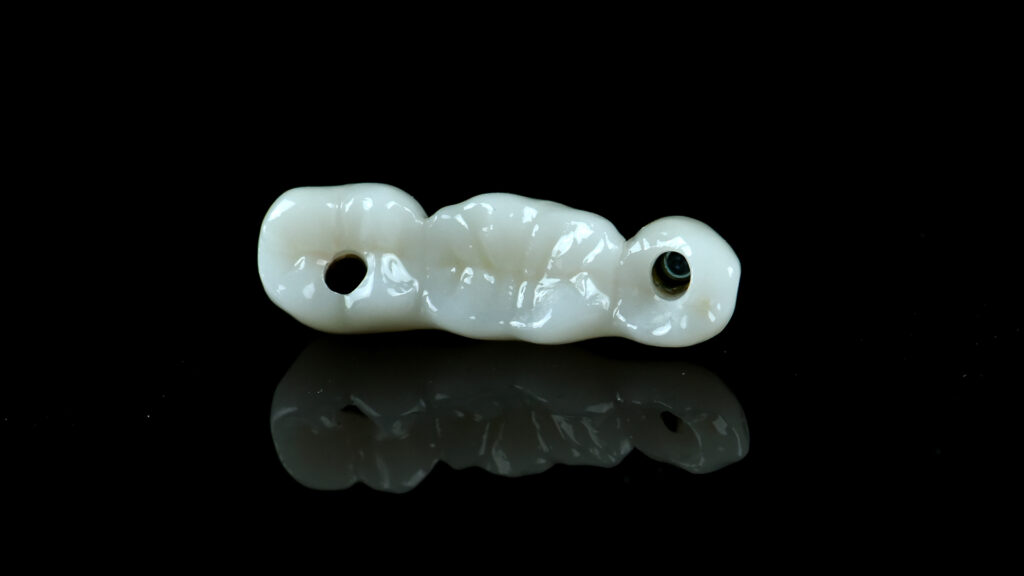
Zirconia bridge on implants

A Lab Tech’s Implant Checklist for Smooth, First-Time-Fit Cases

A quick guide for smooth, accurate, and stress-free results When an implant case comes in, our goal is simple: make it fit perfectly the first time. The key to that is clear communication and a complete set of records from the start. Here’s what we as a lab need — and how you can help make every case smooth, fast, and predictable. What We Need from You – Implant Checklist Every implant case is unique, but the basics of what we need stay the same. Having all this information upfront helps us design and mill precisely, reducing adjustments or delays later. Before you send your case, make sure to include: Step-by-Step: Setting Up a Successful Case A few simple steps make a big difference in fit and turnaround time: Smooth Cases = Happy Patients Implant cases can move quickly and predictably when everything arrives complete. When impressions are accurate, photos are clear, and information is consistent, the case flows straight through production — no back-and-forth, no remakes, no stress.That means: How to Keep It Smooth It’s not about avoiding mistakes — it’s about setting up the case for success. Here are a few things that keep cases moving fast: When these small details are right from the beginning, everything after that goes smoothly — and everyone wins. Trust Your Lab Partner If you’re ever unsure about something — even while the patient is in the chair — call us. We’re happy to take a look, help you plan, or walk through a case together.That’s what we’re here for: to make sure every implant case fits perfectly, looks great, and keeps your patients smiling. Want to see some of our implant work? Check out our implant cases here to see how these steps help us get perfect results every time.

A Lab Tech’s Implant Checklist for Smooth, First-Time-Fit Cases Read More »

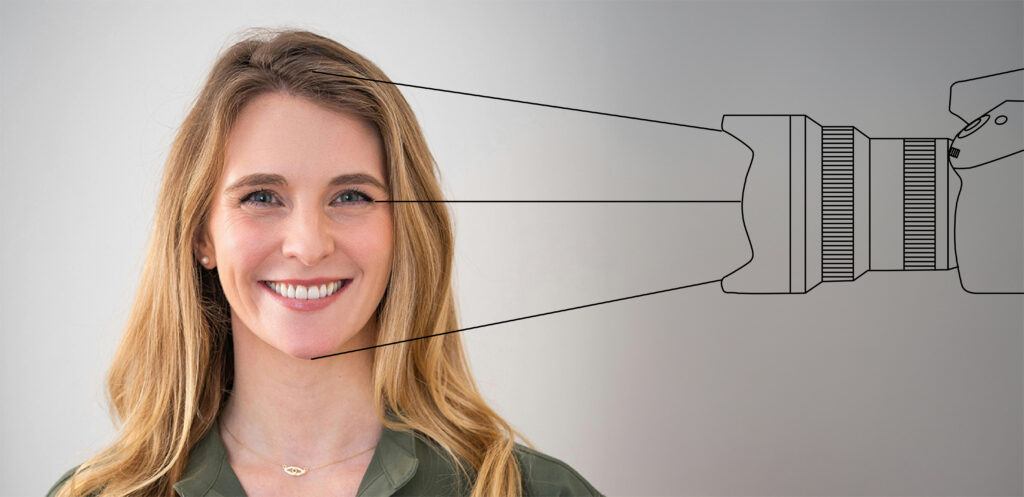
Portrait of a woman and instruction of camera placement

How to Take Photos for a Smile Mockup

When your patient asks for a smile mockup, the photos you take are what we’ll use to design it. The mockup helps the patient visualize their new smile — and a good photo makes all the difference in how they feel about it. Everyone is a little picky about their photos, so we want to make sure the image flatters your patient and represents their smile accurately. Here’s how to take great mockup photos — it’s easy! 1. Use the Right Equipment 2. Lighting Tips Good lighting can completely change how a smile looks in a photo. If your operatory or consultation room has plenty of natural light, that’s perfect — position the patient near a window where the daylight is soft and even. Avoid harsh direct sunlight, which can create strong shadows or make the face look uneven. If the room is darker or the light comes only from above, add a ring light or another small light source in front of the patient. The goal is simple: even, natural-looking light that shows the smile clearly and doesn’t wash out the color of the teeth or skin. Think “bright and soft,” not “flashy and dramatic.” 3. The Photos We Need Photo 1: Natural Smile Photo 2: Retracted Smile (if needed) 4. Why It Matters The patient’s decision often depends on how the mockup looks in the photo. A great image helps them see what’s possible and say “Yes, that’s the smile I want.” Good photos also help us design more precisely — so the final result matches what the patient saw in the mockup. That’s It! Just two simple photos — one natural, one retracted — and we can take it from there.If you’re ever unsure, send us what you have, and we’ll guide you through the next step.

How to Take Photos for a Smile Mockup Read More »

Open Lab Day at GloDental Lab

Open Lab Day — 09/17/2025 9am-6pm

Step inside. Ask questions. See the lab behind the smiles.  You’re invited to our very first Open Lab Day — a casual, in-person event at GloDental Lab, where dentists and dental professionals can step behind the scenes and see how we bring precision, innovation, and artistry to life. Partners will join us at different times during the day — we’ll post updates as the schedule is confirmed. • Explore our lab in action • Learn about the advanced technology we use • Hear directly from our partners about the newest technology and how they can support your practice • Enjoy snacks, refreshments, and great conversation Whether you’re an existing partner or a dental professional curious about what we do, this is your chance to visit, connect, and explore—with no commitment required. Stop by. Say hello. See what makes GloDental Lab different. We can’t wait to meet you. If you have any questions feel free to contact us. 9-11AM Nobel Casual Breakfast & Open Table Discussion with Nobel Biocare Join us for a casual breakfast and an open table discussion with Nobel Biocare. This informal session offers a chance to explore Nobel’s comprehensive implant systems, restorative solutions, and advanced surgical guides. Learn about their collaboration with Chrome Guided Smile and take part in a hands-on demonstration of Chrome’s unique stackable guide. Gain valuable insights into how Nobel’s digital planning tools can enhance surgical precision and streamline clinical workflows, all while engaging directly with industry experts in a relaxed and collaborative setting.Learn more 11AM-1PM Zahn / Lab Division of Henry Schein Next-Gen Tech: Photogrammetry & 3D Printing Wireless Intraoral Photogrammetry: The Aoralscan Elite Wireless is the first of its kind, delivering unmatched flexibility and accuracy to streamline workflows like never before. Designed for modern clinics and labs, it empowers dental professionals with the technology to scan with confidence, speed, and convenience—without limits.Learn more Asiga 3D printers deliver precision, speed, and reliability for the modern dental lab. Known for their open material system, they give you flexibility while maintaining accuracy across a wide range of applications—from models and surgical guides to dentures and splints. Compact yet powerful, Asiga printers are designed to streamline your workflow and ensure consistent results, case after case.Learn more 1-3PM Straumann Introduction of Trios 6 Scanner A new era in digital dentistry has begun: TRIOS 6 working together with TRIOS Dx Plus brings an outstanding revolution of hardware and software to redefine your patients’ experience with AI assistive diagnostics.Learn more 2-4PM Ivoclar Ask Ivoclar: Everything You Want to Know About e.max and Esthetic Cases Visit website 4-6PM Argen From Zirconia to Scan Bodies: Exploring Argen Solutions An exclusive session with Argen’s representative, featuring hands-on samples of their zirconia, implants, analogs, and scan bodies. Learn about the latest materials and solutions to support your cases—and don’t miss out on special gifts for attendees!See the products

Open Lab Day — 09/17/2025 9am-6pm Read More »

Social media icons with a phone talking about marketing for dental offices

How Dental Offices Can Use Social Media to Attract the Right Patients

At our cosmetic dental lab, we get to work with all kinds of dentists — general, cosmetic, surgical, prosthodontic — and it’s always interesting to see how each office handles social media. Some have beautiful feeds filled with cosmetic cases. Others stick to word of mouth. But the truth is: if you want more patients, more visibility, and more trust — being on social media matters. Here’s a quick guide full of dental office social media ideas to help you choose the best platform for your goals — and how to make your content shine. Step 1: Know Your Audience The first question is: who are you trying to reach? Your ideal patients will determine where you should focus your efforts. Here’s a quick look at U.S. demographics for 2025: Step 2: Match Content to the Platform Each platform has its strengths. Here’s what typically performs best: Facebook Best for: Community updates, reviews, and educational postsIdeas: Instagram Best for: Visual cases + brandingIdeas: Pro tip: Learn some basic dental photography. Even using a smartphone with the right lighting and angles can dramatically improve your posts. Beautiful photos get shared more — and they build trust. Here’s a very useful resource – Photography 101 by Spear. TikTok Best for: Quick, relatable, or entertaining contentIdeas: LinkedIn Best for: Professional networking + referralsIdeas: Step 3: Create Simple, Strong Messaging Whether you’re posting organically or running paid ads, one thing matters: clarity. Step 4: Keep Your Branding Consistent This one’s easy to overlook — but super important. Consistency builds trust and makes it easier for patients to recognize you — even if they first saw your name while scrolling at midnight. Final Thoughts We always say: great dentistry deserves to be seen. Whether it’s a cosmetic veneer case, an All-on-X full arch, or a beautifully layered zirconia crown — if it’s done with care, people should know about it. Social media doesn’t have to be overwhelming. Just start where your patients are, post with purpose, and make sure your photos represent the quality of your work. If you’re ever stuck on what to post, we’re happy to help — whether that’s sharing images from the lab or offering dental office social media ideas based on your case types. We’re not just your partner in fabrication — we’re here to help your practice grow. For even more tips on messaging, platforms, and strategy, check out HubSpot’s Social Media Marketing Guide. Follow us on – Facebook, Instagram, LinkedIn.

How Dental Offices Can Use Social Media to Attract the Right Patients Read More »